When to Send a Follow-Up Email Using Open Data
Wait long enough, then let repeat opens or a click guide the moment. A practical rhythm for follow-up timing.
The short answer
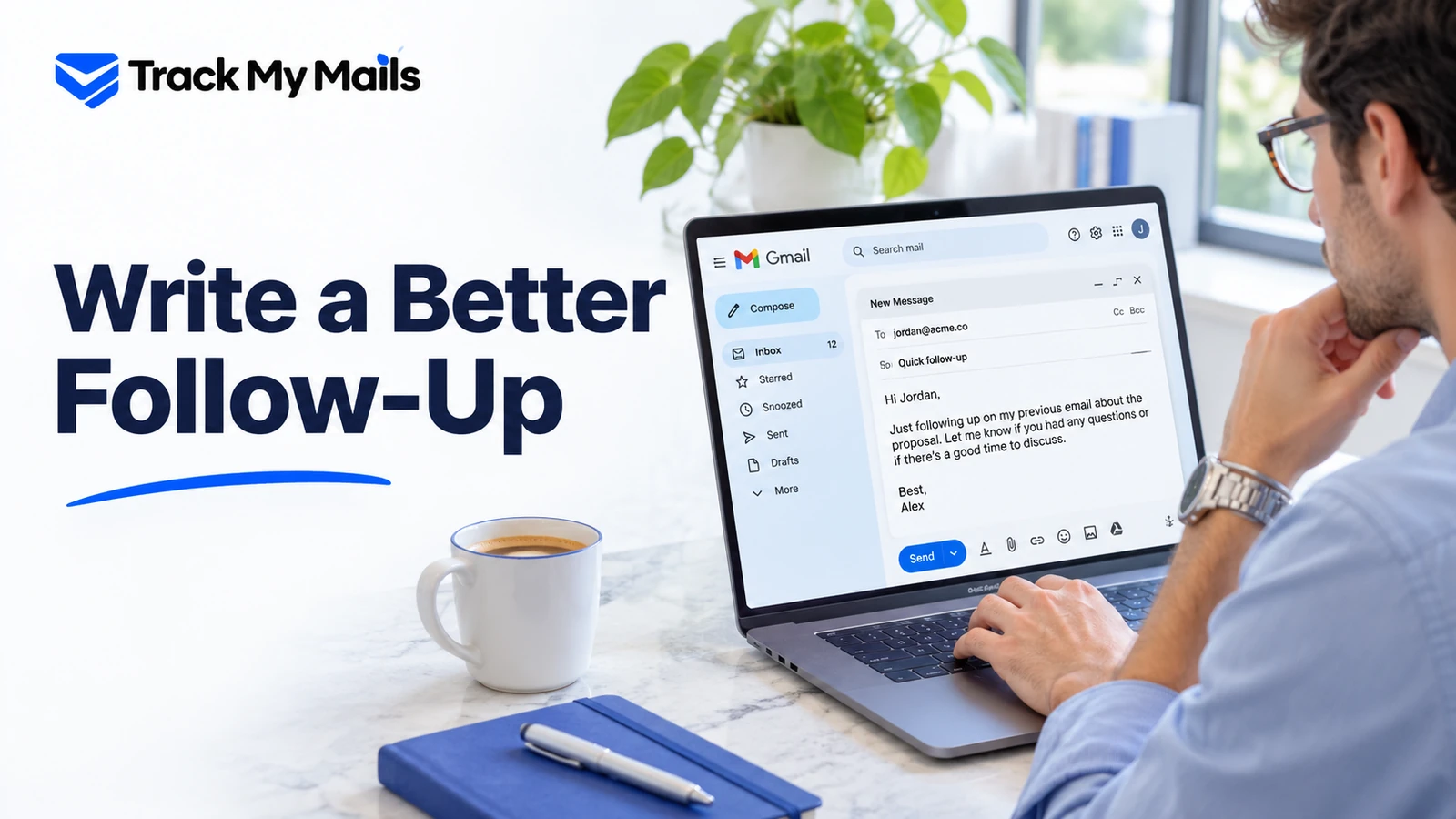
Wait long enough for the recipient to act in their normal routine, then follow up when the data supports it. A common rhythm is two to three business days after a first email with no reply, sooner if you see a meaningful signal such as a repeat open or a click. Open data helps you choose the moment; it should never replace a reason to write.
There is no universal best time. Use these guidelines and adjust to your industry and relationship.
Give people time
Most replies, when they come, arrive within a few days. Following up after a few hours looks impatient, even if you can see the email was opened. People read email in batches and may need to consult others before answering.
For a quote or proposal, two to three business days is a sensible first wait. For a simple question, one day may be enough.
What the data can change
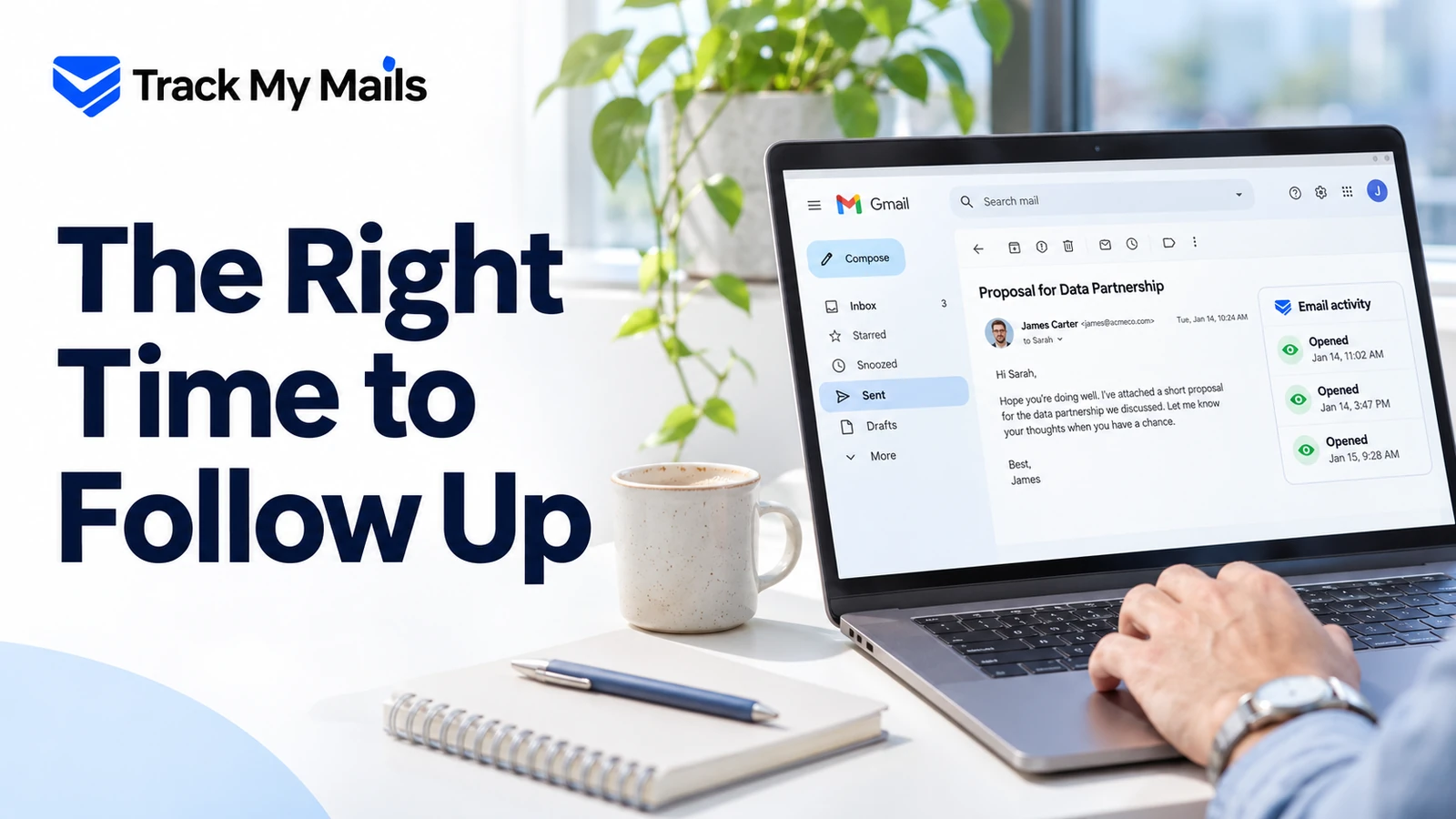
A single early open on its own suggests little, and it may be automatic. Several opens spread over a day or two, or a click on an important link, suggests the message is being reconsidered, so a nudge with something helpful is welcome. No activity at all after several days suggests the message may be buried or blocked, so try another angle or channel.
Opens in the middle of the working day are often more meaningful than ones within seconds of delivery.
- Repeat opens over time: follow up with a helpful next step
- Click on a key link: offer to help with that topic
- Instant single open: wait, it may be automatic
- No activity for days: change the angle or channel
Do not over-follow up
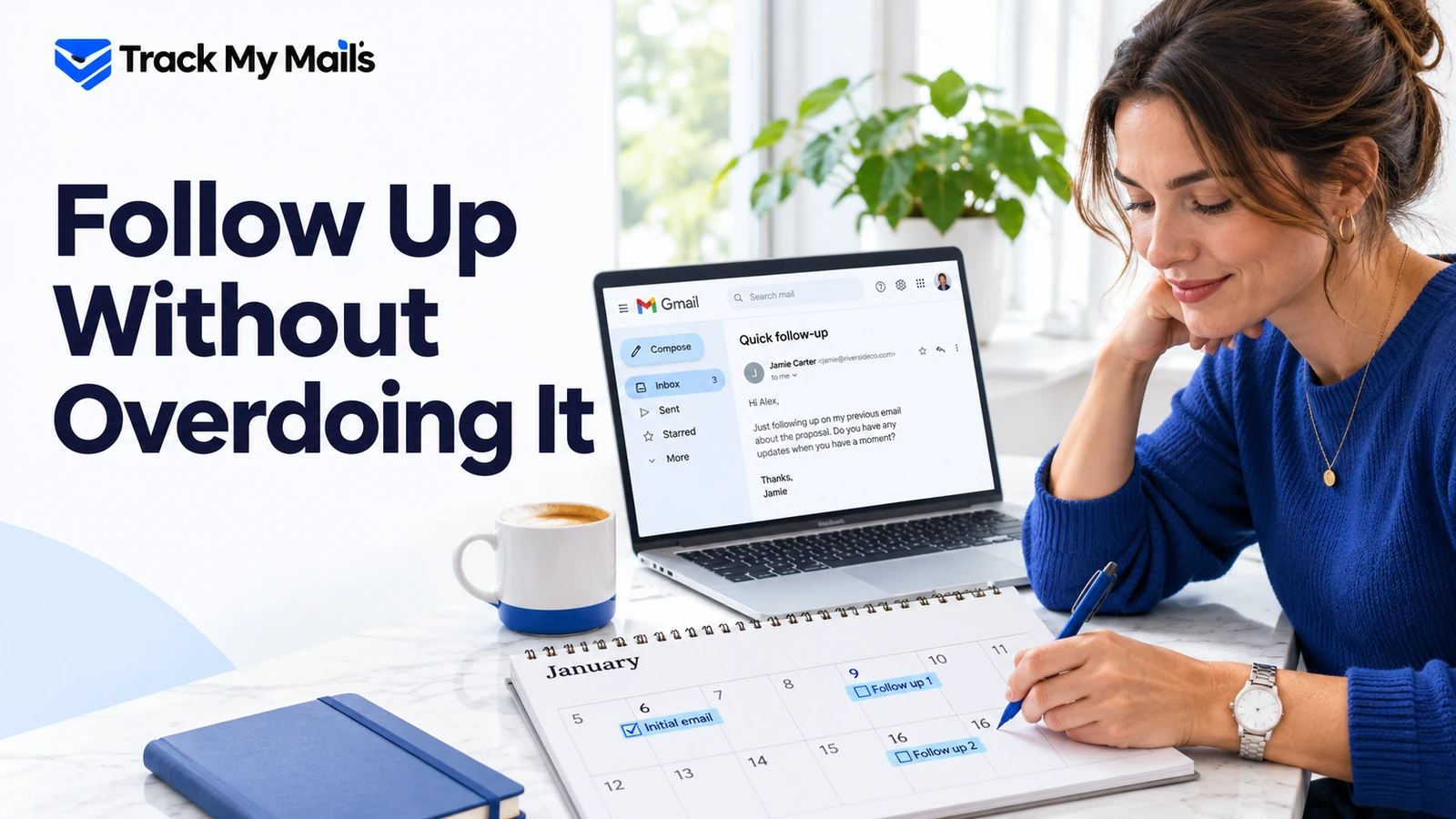
Set a cap, for example three follow-ups spread over two weeks, and stop after that. Each message should add something: a new fact, a shorter question or an easier next step.
Common mistakes
People tend to trip over the same few things:
- Following up within hours because you saw an open
- Using the same gap for every contact regardless of context
- Ignoring public holidays and weekends
A worked example
You send a quote on Monday. On Tuesday there is an instant open, which you ignore. On Wednesday there are two opens in the afternoon and a click on the pricing page. On Thursday morning you send: "Happy to adjust the scope if the budget is tight. Would a short call help?" Nothing in the message mentions the opens.
Putting it into practice
Create a simple table for yourself with three columns: signal, wait and action. For example: no activity, wait three business days, change the subject line; repeat opens, wait one day, offer a call; click on pricing, same day, offer a smaller option. Keep it next to your dashboard and adjust it after a month based on which messages got replies.
Key points to remember
A quick summary you can come back to:
- Wait two to three business days by default
- Repeat opens and clicks justify an earlier nudge
- Never mention the open
- Cap the number of follow-ups
Frequently asked questions
How long should I wait before a follow-up?
Often two to three business days for a quote or proposal, one day for a simple question. Sooner if repeat opens or a click suggest interest.
Should I follow up as soon as an email is opened?
Usually not. A single open can be automatic or a quick glance. Wait for a stronger signal or a reasonable amount of time.
What if there is no open at all?
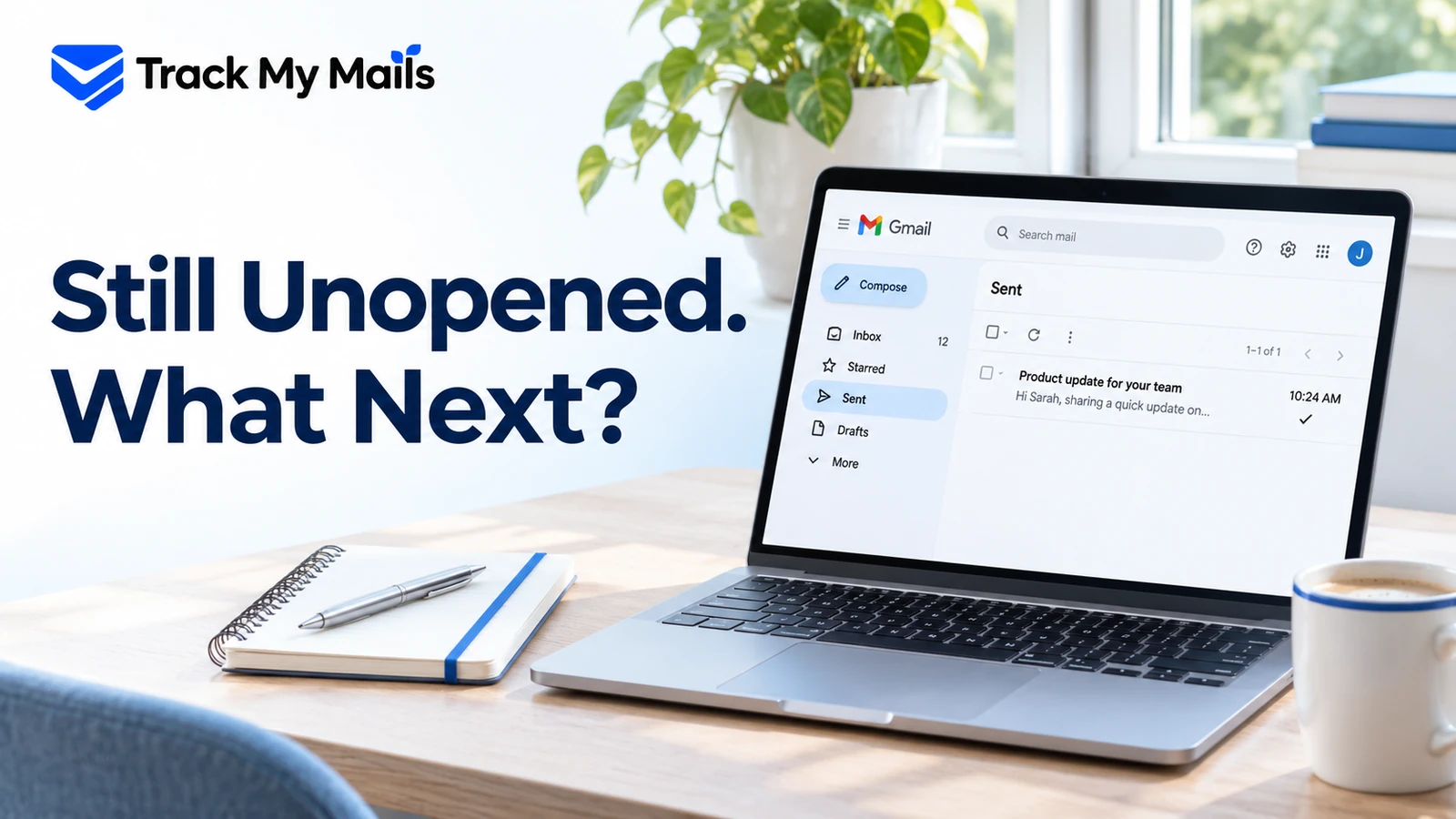
The message may be buried, blocked or read without images. Try a different subject line or another channel after a few days.
Should I tell the person I saw their open?
No. Reference the value you can offer, not the tracking data.
Track your next Gmail with context
See sent status in Gmail and review opens, timestamps, and link clicks in one dashboard.
Start with Google